MOD Hosts after Action Review to Strengthen National
Disaster Response Framework
February 27, 2026
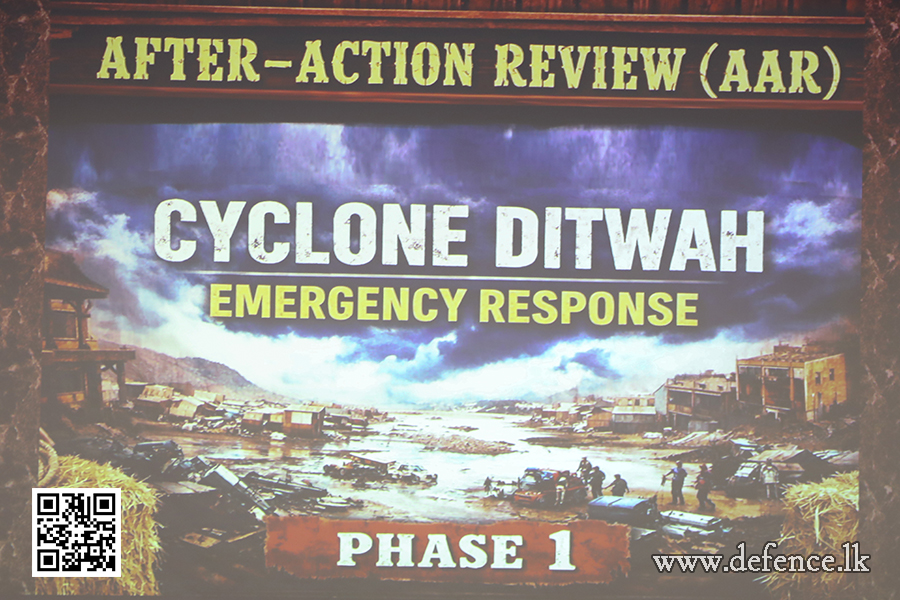
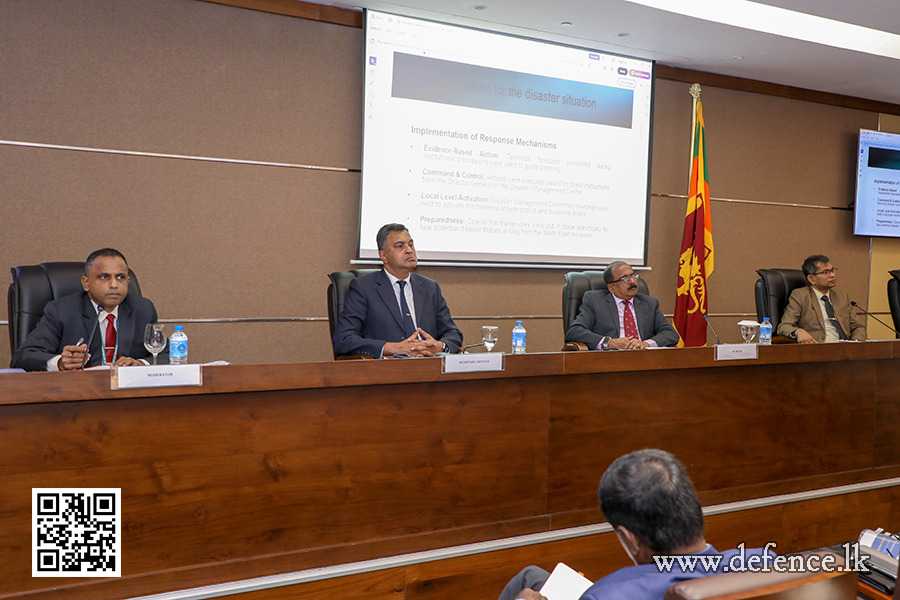
The large scale flooding and landslides caused by ‘Cyclone Ditwah’ required rapid, coordinated action across multiple civilian and military agencies. While the response mitigated significant impacts, it also revealed critical operational, structural, and institutional gaps within the national disaster management system. To identify best practices for institutionalization, gaps and systemic weaknesses, and develop achievable improvements for the emergency response system, the Ministry of Defence (MoD) convened a comprehensive After Action Review (AAR) today (27 Feb).
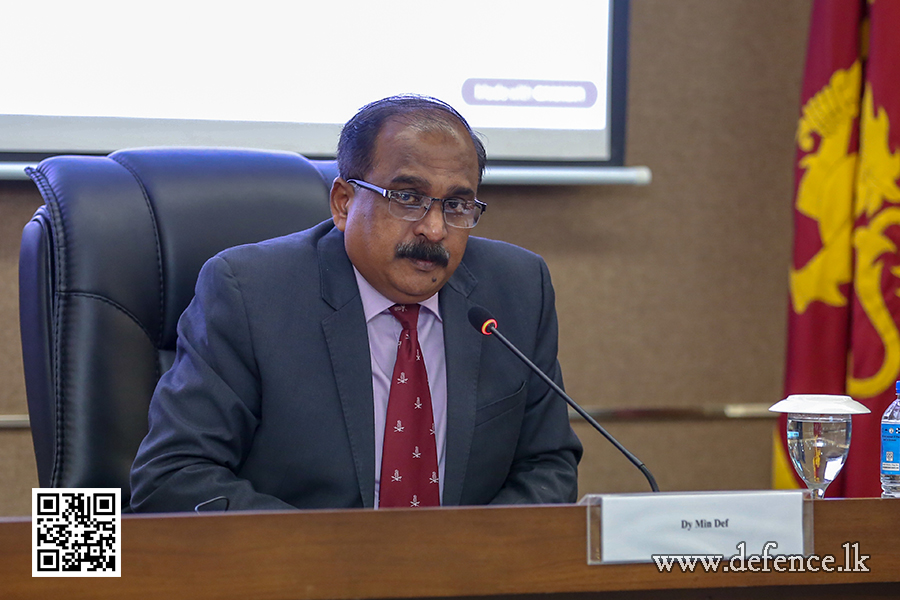
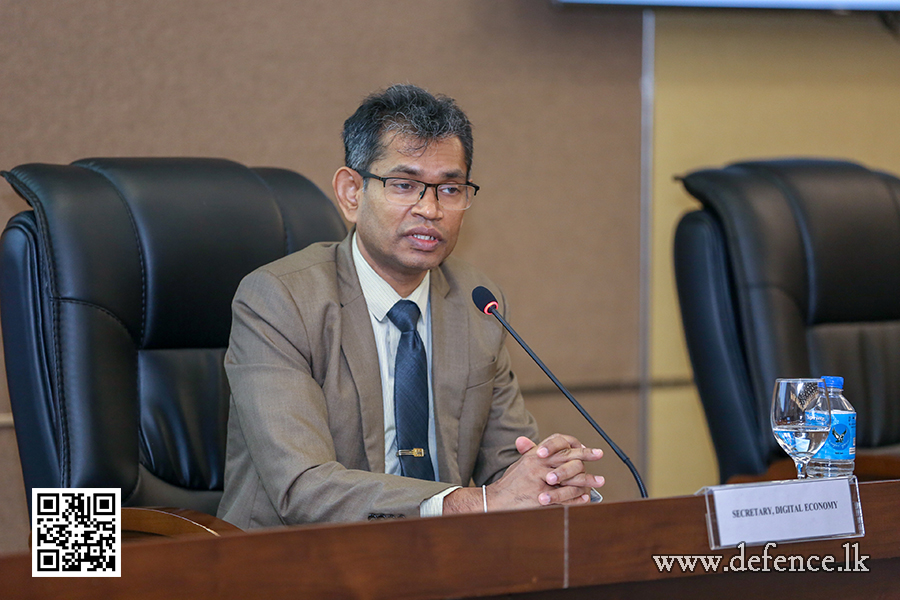
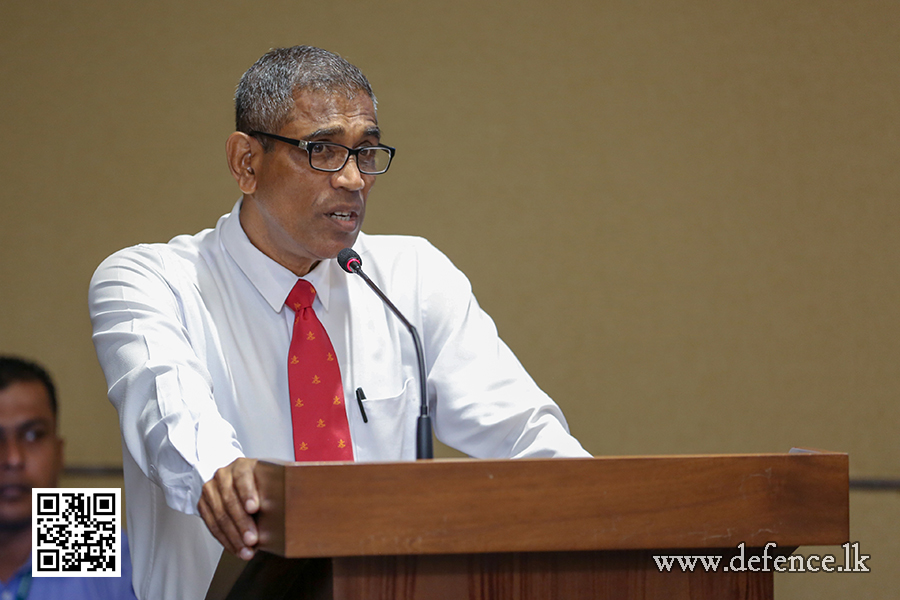
The high level session was chaired by the Deputy Minister of Defence, Major General Aruna Jayasekara (Retd), alongside the Secretary to the Ministry of Defence and the Secretary to the Ministry of Digital Economy. The review aimed to scrutinize the efficacy of recent relief operations and solidify the nation’s readiness for future atmospheric disturbances.
During the proceedings, the Deputy Minister of Defence expressed his profound gratitude to all stakeholders for their proactive participation and the high quality of technical inputs provided during the review. He commended the collective dedication of the Tri Forces and civilian agencies, noting that their sound outputs are vital to the evolution of the national safety net. The Deputy Minister further assured the forum that the Ministry is committed to a responsive approach, with immediate plans to address and implement the strategic suggestions raised by the attendees to refine future operations.
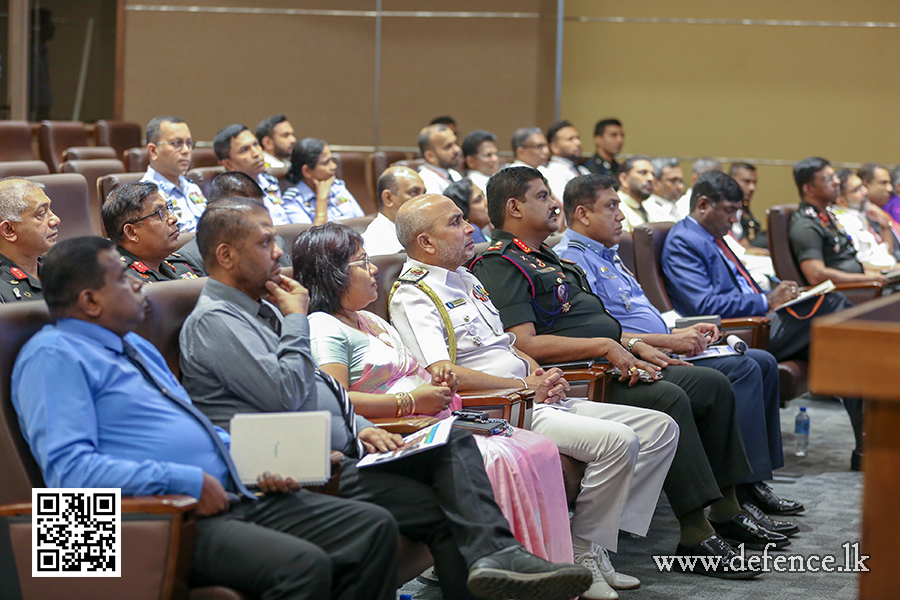
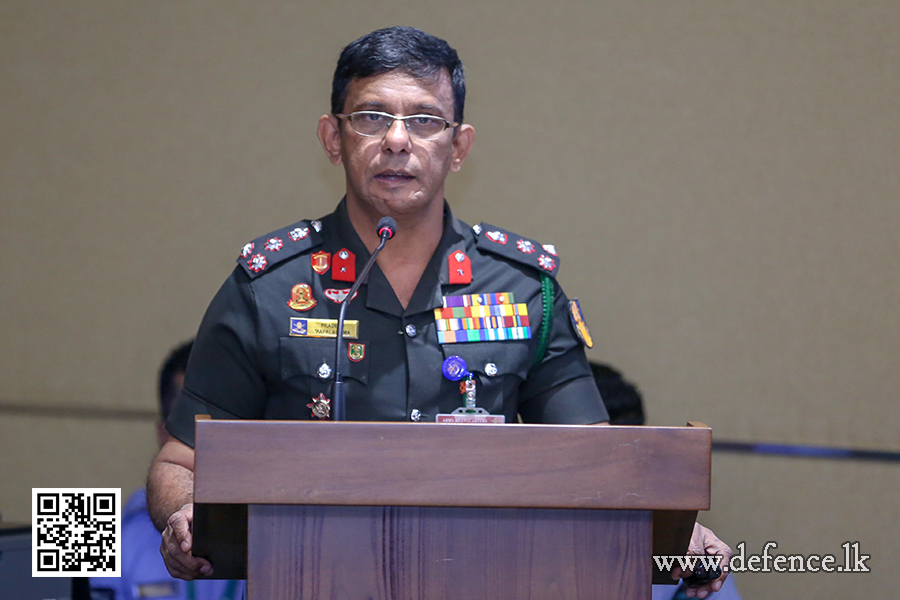
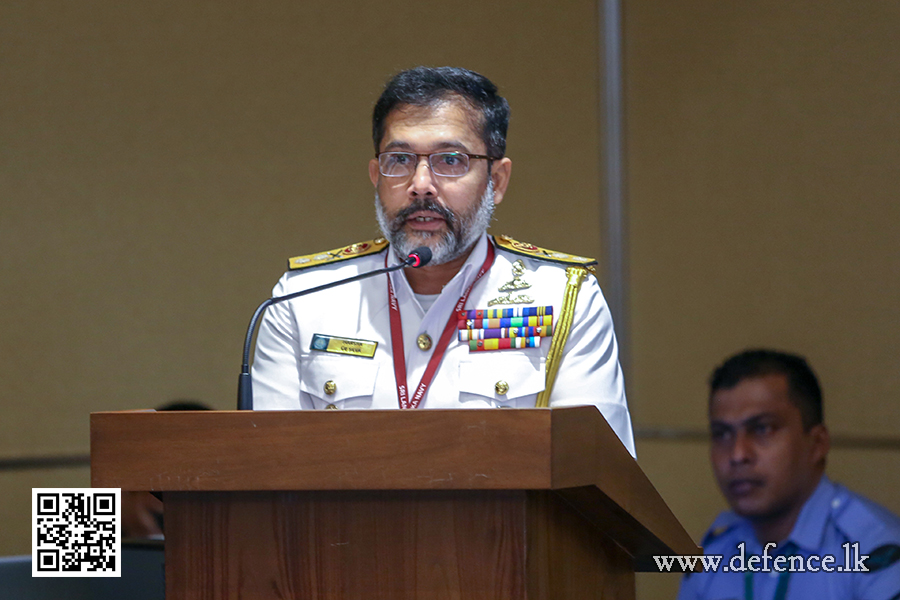
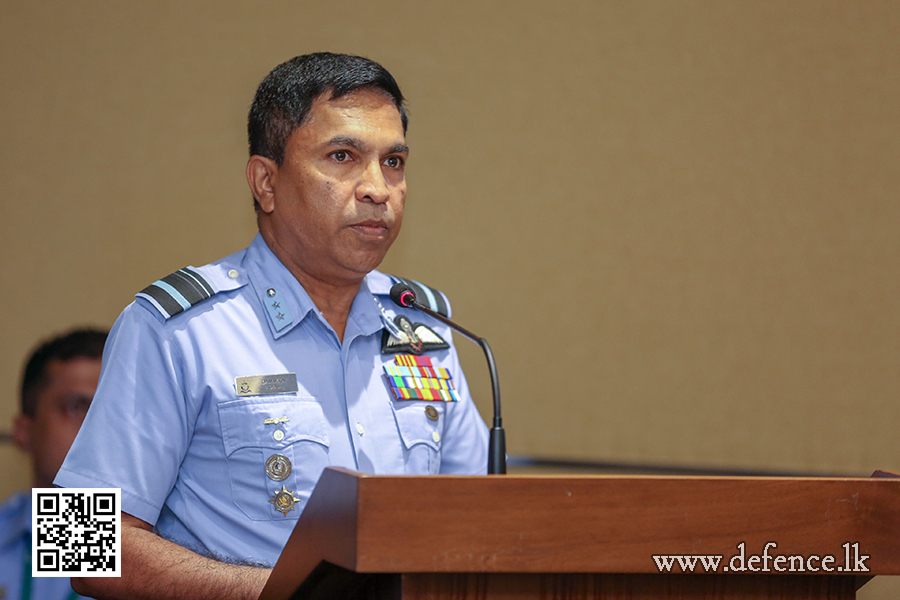
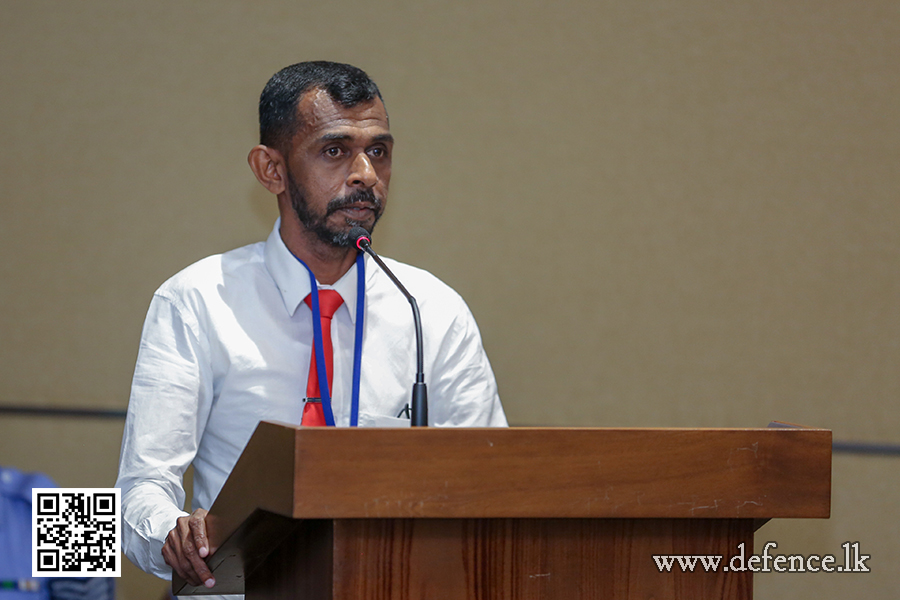
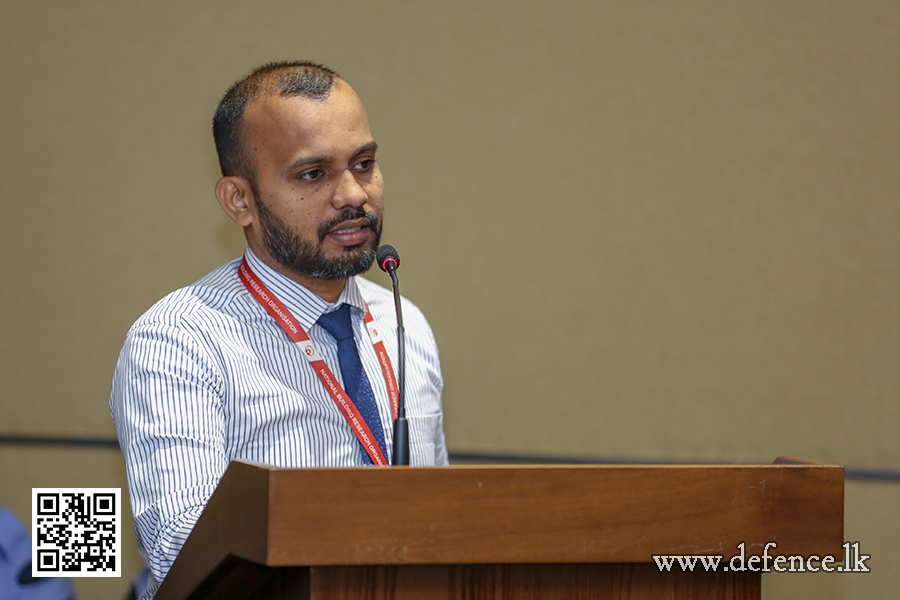
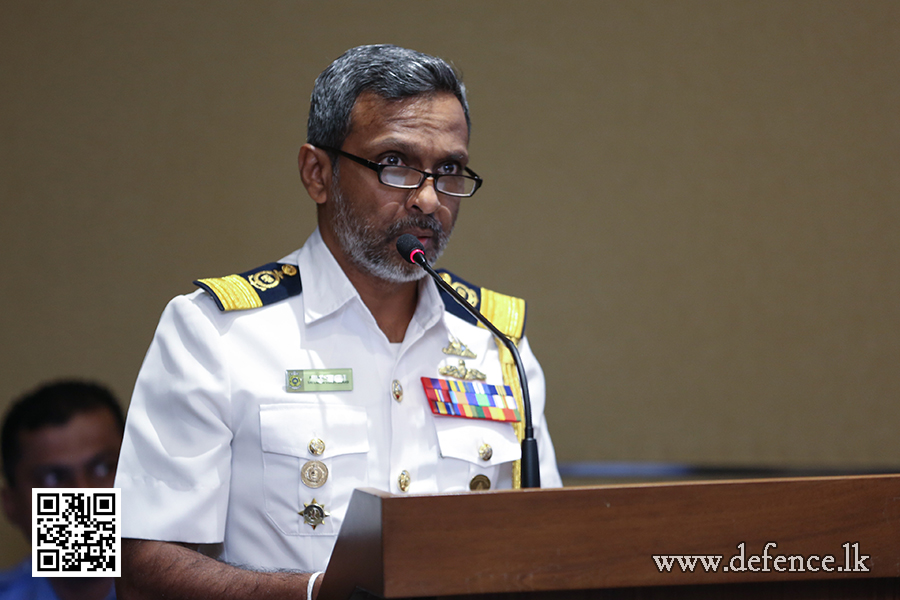
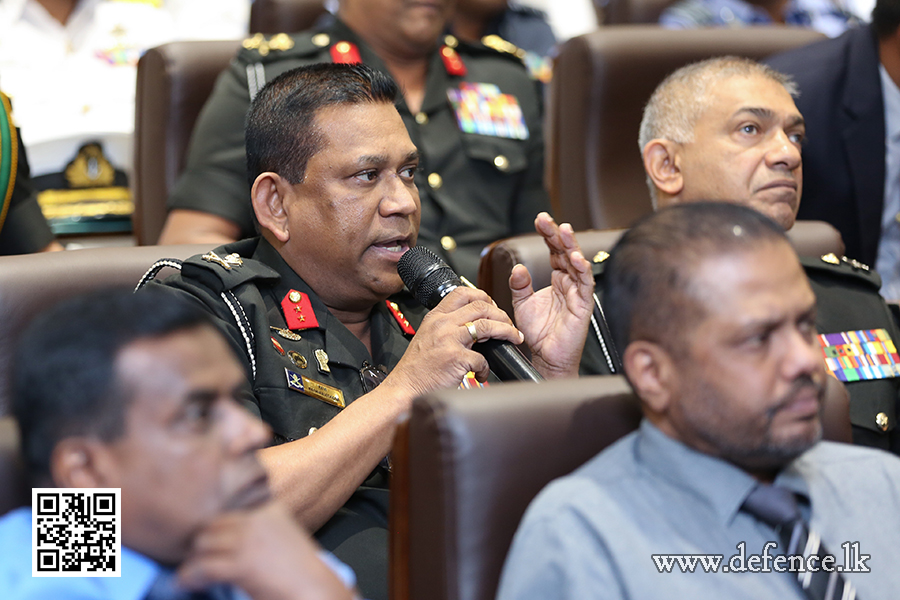
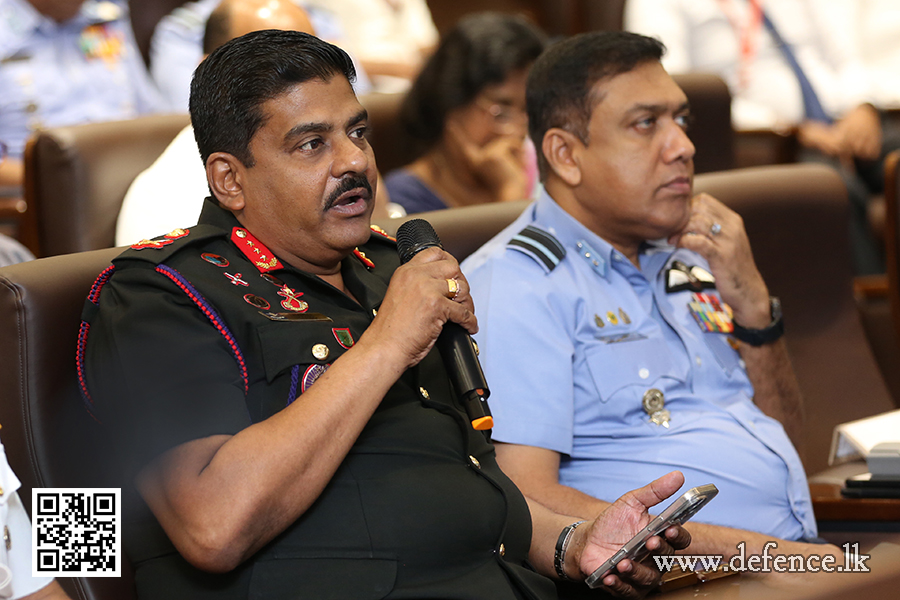
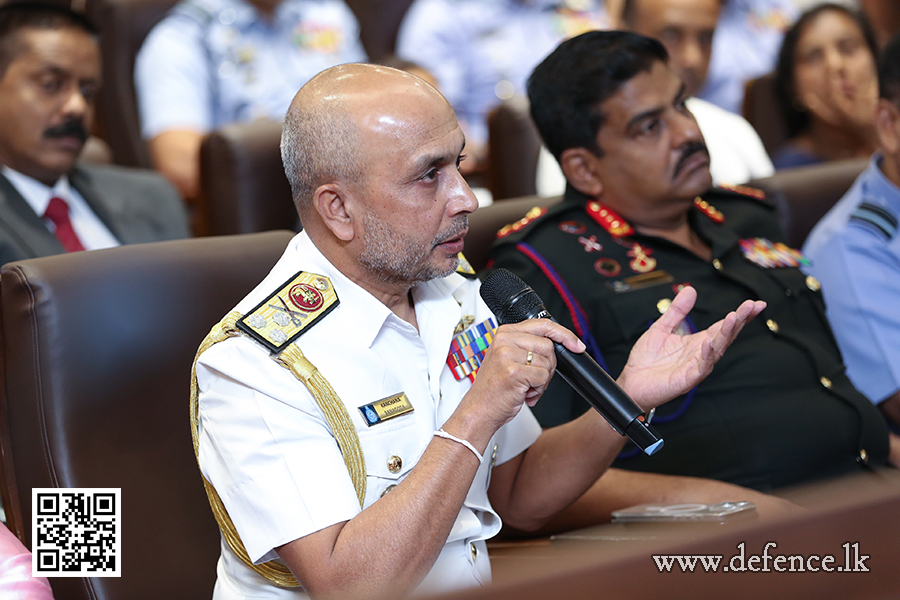
The Commanders of Sri Lanka Army and Navy, Chief of Staff of the Sri Lanka Air Force, Senior military representatives, SL Coast Guard along with Director General and heads of the Disaster Management Centre (DMC), National Disaster Relief Services Centre (NDRSC), National Building Research Institute (NBRI), and Department of Meteorology provided detailed briefings. The discussions centered on documented lessons learned, identifying critical operational challenges and systemic weaknesses encountered during the peak of the cyclone. Key issues highlighted included significant communication disruptions, gaps in inter agency coordination, and a pressing need for specialized rescue equipment and increased unmanned aerial assets.
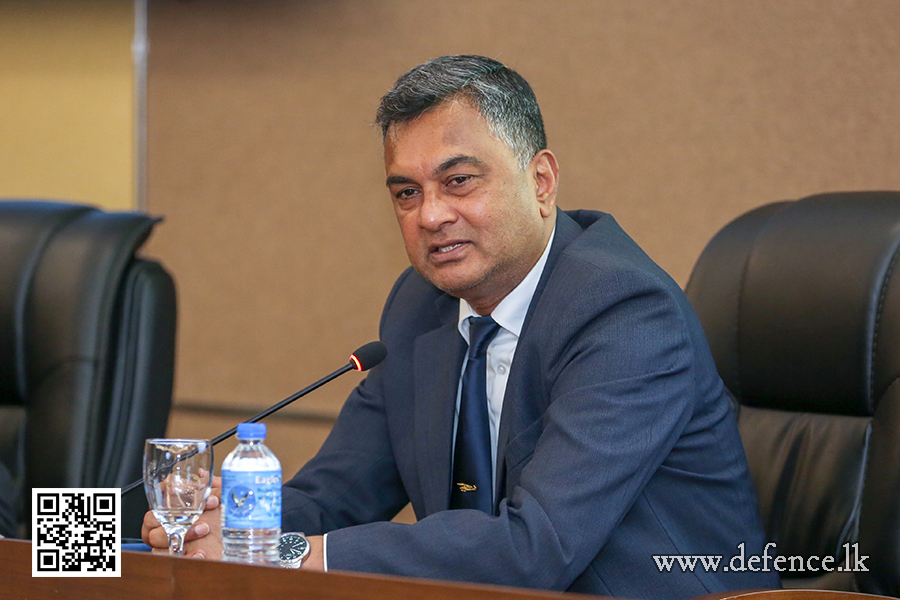
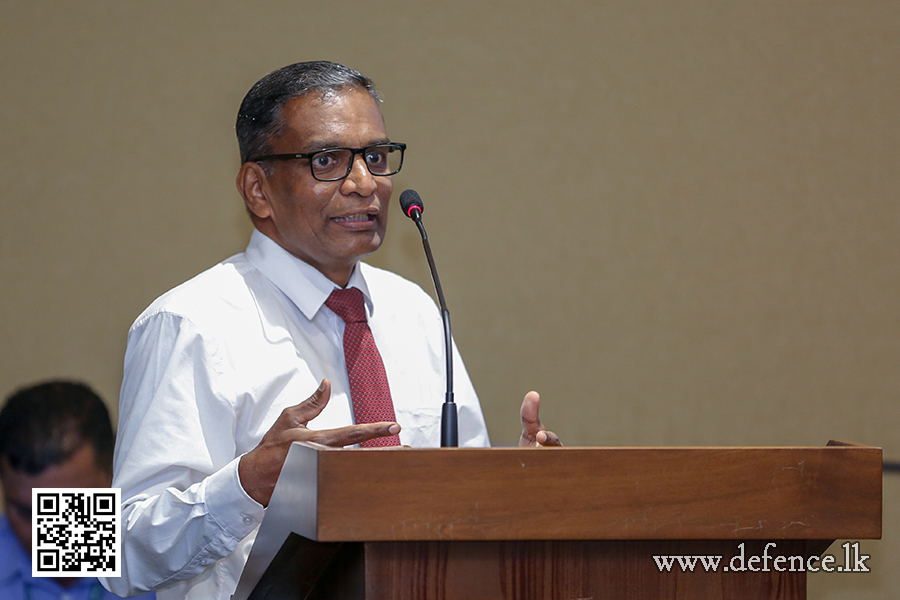
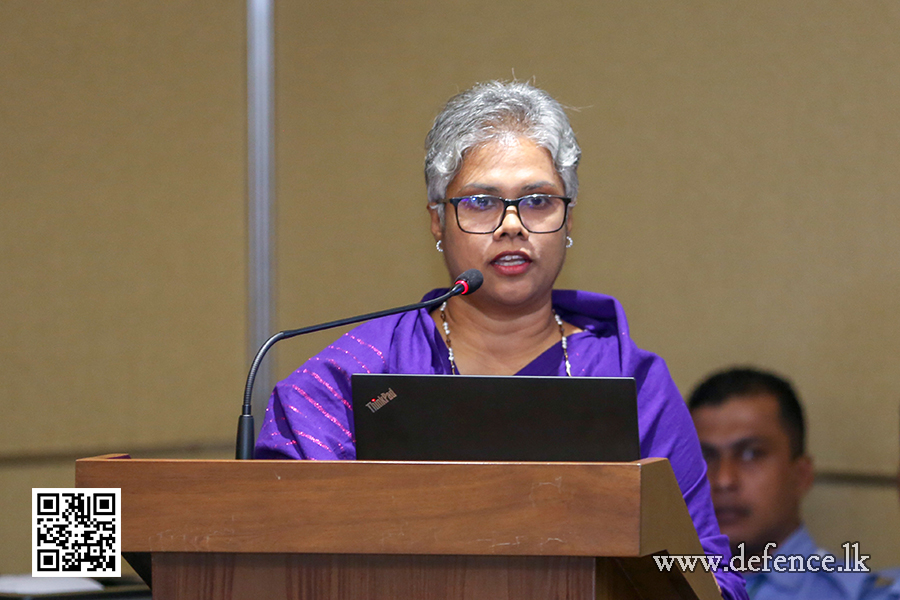
A pivotal segment of the meeting focused on the communication gaps with stakeholders, analyzing how technical silos can hinder rapid response. To address this, the Secretary to the Ministry of Digital Economy and the Defence Secretary provided strategic inputs on integrating modern technology to bridge the divide between military and civil agencies. The dialogue emphasized moving toward a more resilient, digitized infrastructure to ensure that command and control remain uncompromised during extreme weather events.
To specifically fortify the Disaster Management Center (DMC), the participants underscored the necessity of establishing a seamless Chain of Command extending from national leadership to local responders. Central to this strategy is the implementation of a Civil Military Coordination Framework and a 24/7 Joint Operation Center (JOC) to enhance real time situational awareness. By streamlining inter agency collaboration and appointing an official spokesperson to build public trust through clear SOPs, the Ministry ensures a unified, transparent response that bridges the gap between the government and the community.
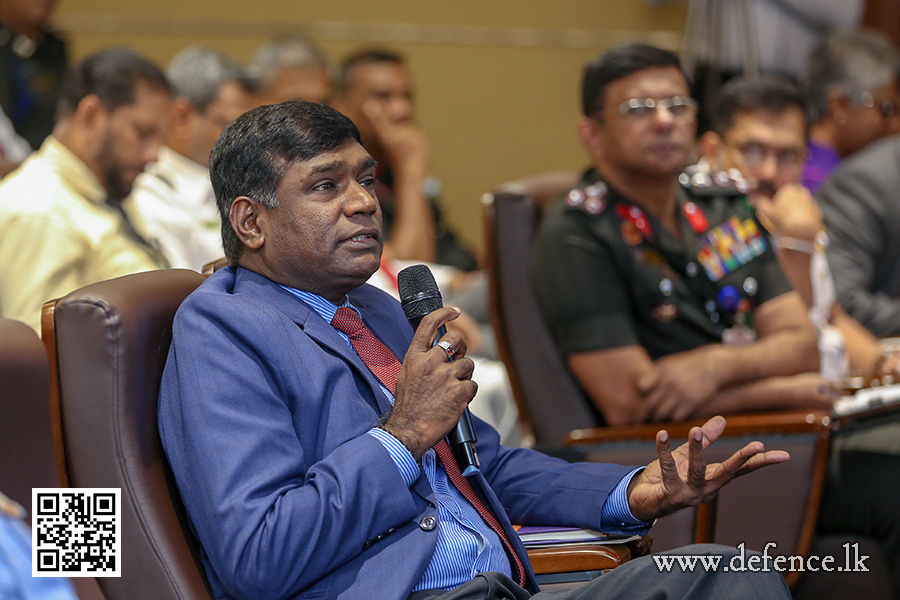
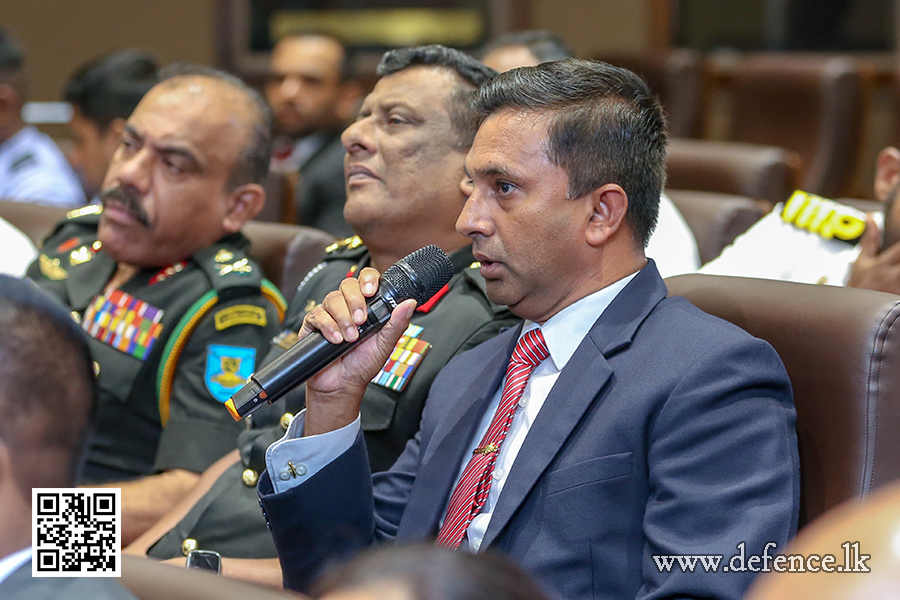
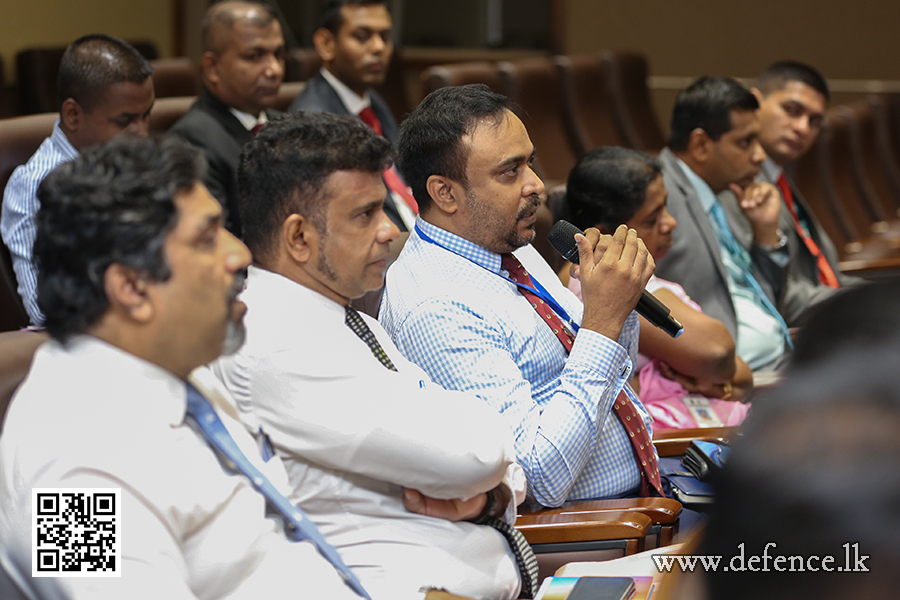
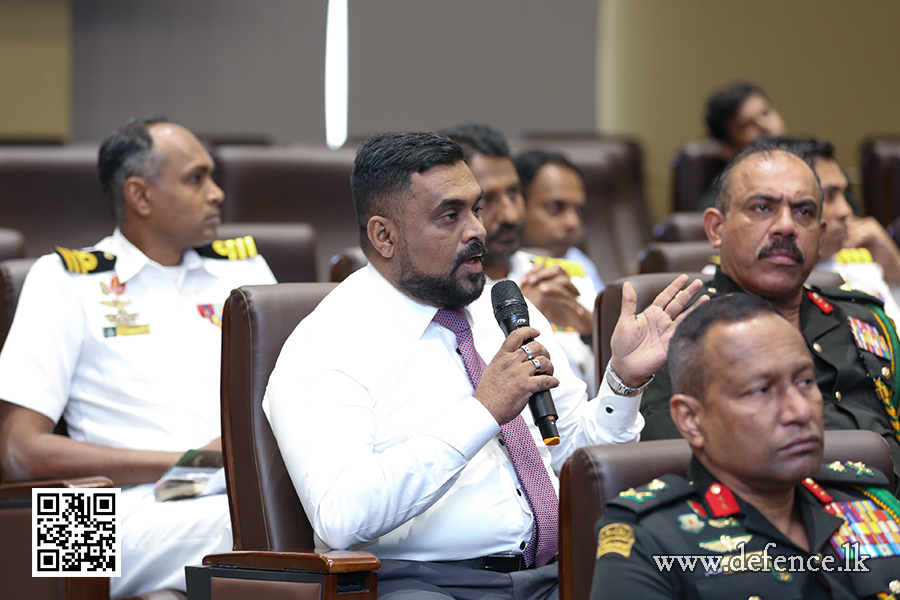
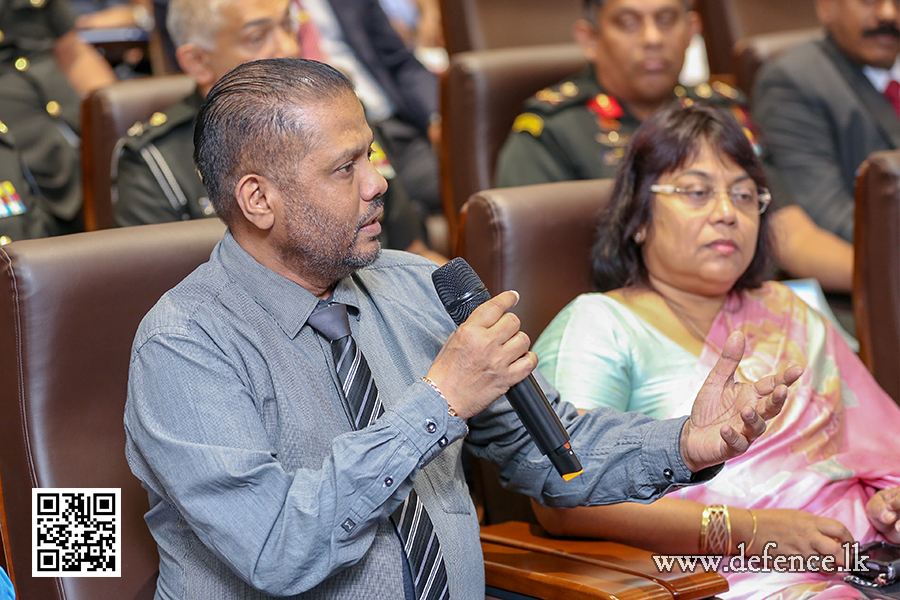
The second phase of the discussion revolved around translating these lessons into tangible system improvements. Stakeholders provided feedback on enhancing inter-agency and civil military communication, strengthening community engagement, and refining public information dissemination. Emphasis was also placed on optimizing logistics, mobility, and supply chains to ensure that relief reaches affected populations without delay, even when primary transport routes are compromised.
Furthermore, the forum explored the advanced use of early warning data and forecasting technology. Participants discussed how to better integrate meteorological data into the command and coordination mechanism to allow for proactive rather than reactive deployments. By aligning the technical capabilities of the Department of Meteorology with the operational reach of the Tri Forces, the Ministry aims to create a more predictive disaster management model.
The meeting concluded with a firm commitment to implement these structural reforms effectively and without delay. In attendance were the Additional Secretary, Tri Forces Commanders, and senior officers of the Tri-Services, all of whom contributed to the roadmap for a more robust national safety net.
The Ministry of Defence remains dedicated to evolving its disaster response protocols through transparency, technological adaptation, and seamless inter-agency synergy.